Introduction to Vastu Shastra
Understand the history, origin and fundamental principles of Vastu Shastra. Learn about its traditional importance in Indian architecture and how it is applied to different types of properties.
Explore the traditional principles of Vastu Shastra and develop an understanding of directions, natural elements, building layouts and the spaces around us.
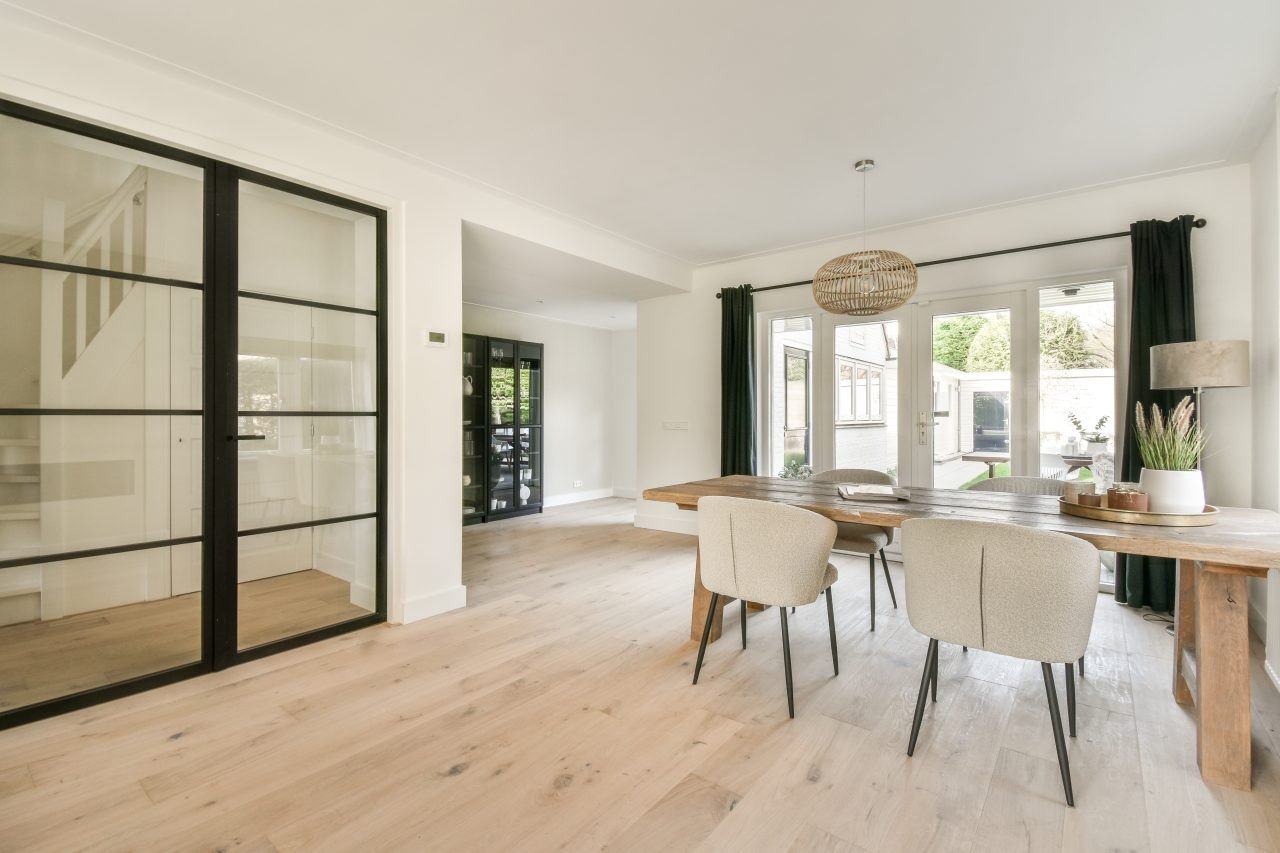
 Space, light & thoughtful planning
Vastu Shastra is an ancient Indian architectural and spatial planning system that focuses on the relationship between buildings, directions, natural elements and their surroundings. Traditionally, Vastu principles have been used in planning and arranging homes, offices, commercial buildings and other spaces to encourage balance, harmony and thoughtful utilisation of the environment.
The Vastu Course at Vaastu Mahajeevan by Dr. Gaurav Sri Aggarwal is designed for individuals who want to understand the fundamentals and practical applications of Vastu Shastra. Whether you are a beginner, an architecture enthusiast, an interior designer or someone interested in traditional Indian knowledge, this course provides an opportunity to explore important Vastu concepts.
Through structured learning, students can develop an understanding of directions, five elements, Vastu Purusha Mandala, room placement, architectural planning and traditional Vastu remedies.
Vastu Shastra is a traditional Indian system of architecture and spatial arrangement. The word Vastu relates to a dwelling or building, while Shastra refers to a body of knowledge or principles.
It explores how different aspects of a property, including its direction, layout, entrance, room placement and surrounding environment, are traditionally considered during construction and planning.
Vastu Shastra emphasises the relationship between five natural elements, known as Panchamahabhuta, and the directional arrangement of a space.
The course introduces important Vastu concepts and their traditional applications in residential and commercial properties.
Understand the history, origin and fundamental principles of Vastu Shastra. Learn about its traditional importance in Indian architecture and how it is applied to different types of properties.
Explore Earth (Prithvi), Water (Jal), Fire (Agni), Air (Vayu) and Space (Akash), their symbolic significance and traditional associations with different areas of a property.
Learn about the eight primary directions and their traditional significance: North, South, East, West, North-East, North-West, South-East and South-West.
Study the Vastu Purusha Mandala and its importance in traditional architectural planning, including its grid structure, directional divisions and spatial arrangement.
Learn traditional considerations for main entrance placement, bedrooms, kitchens, living rooms, bathrooms, prayer and meditation spaces, staircases and open areas.
Understand traditional applications for offices, shops, showrooms and businesses, including the placement of reception areas, workstations, cabins and meeting rooms.
Explore traditional considerations when selecting land, such as plot shapes, directions, slopes, entrances, surroundings and other factors used in Vastu-based property evaluation.
Understand how Vastu concepts may be considered in architectural design and interior planning, including furniture, natural light, ventilation and space utilisation.
Learn about commonly discussed Vastu Doshas and their traditional interpretations, along with recommendations involving spatial arrangements, colours and placement.
Develop your understanding through examples and property-layout exercises. Learn to study floor plans, identify directions and evaluate room arrangements using traditional Vastu principles.
Learning Vastu Shastra can help you develop knowledge of traditional architectural principles and spatial planning.
This course is suitable for individuals interested in traditional architecture, spatial planning and holistic environmental concepts.
Individuals who want to learn Vastu Shastra from the basics without requiring previous experience.
Professionals who want to explore traditional Vastu concepts alongside their existing design knowledge.
Individuals interested in understanding traditional Vastu considerations related to property selection and evaluation.
People who want to learn about Vastu principles for their own homes and properties.
Individuals interested in developing foundational knowledge for exploring professional Vastu consultation.
Learning Vastu Shastra involves understanding multiple concepts, including directions, elements, architectural arrangements and traditional spatial principles.
Vaastu Mahajeevan by Dr. Gaurav Sri Aggarwal focuses on presenting these concepts through an organised and accessible learning approach.
The course aims to help learners understand the fundamentals, explore practical applications and develop confidence in studying residential and commercial layouts.
Our approach encourages structured learning, practical understanding and a deeper appreciation of traditional Indian architectural knowledge.
Vastu Shastra offers an interesting perspective on the relationship between architecture, natural elements and the surrounding environment.
Whether you want to understand Vastu for your home, expand your professional knowledge or explore a potential career in Vastu consultation, learning its foundational principles can be a valuable starting point.
Join the Vastu Course at Vaastu Mahajeevan and explore the traditional knowledge of Vastu Shastra with Dr. Gaurav Sri Aggarwal.
Vaastu Mahajeevan – Learn Vastu, Understand Directions and Create Harmonious Spaces.Find answers about course topics, prior experience and how to enquire.
A Vastu Course teaches the traditional principles of Vastu Shastra, including directions, five elements, room placement, architectural planning and Vastu remedies.
Yes. Beginners can start with fundamental concepts and gradually learn about residential, commercial and practical Vastu applications.
The course covers Vastu Shastra fundamentals, directions, Panchamahabhuta, Vastu Purusha Mandala, residential Vastu, commercial Vastu and traditional remedies.
No. Basic Vastu concepts can be explored without an architecture background. However, an interest in buildings and spatial planning can be helpful.
Yes. The course introduces traditional Vastu principles for homes, offices, shops and other commercial spaces.
Vastu Purusha Mandala is a traditional geometric grid used in Vastu Shastra to understand directional divisions and spatial planning.
Yes. The course introduces commonly discussed Vastu Doshas and traditional recommendations for different spatial arrangements.
The course can help you build foundational knowledge. Professional consultation may require further study, practical experience and additional training.
Contact Vaastu Mahajeevan through its official website to enquire about course availability, learning format and enrolment details.